
Alabama residents combat robocalls through the state's Do Not Call Law, aided by specialized blocking apps like Hiya, TrueCall, and NoCall. These apps use AI, community databases, and machine learning to identify and block spam calls, offering real-time call screening and privacy protection against law firms. Regular updates ensure effectiveness against evolving tactics, with apps achieving high success rates over 90%. By combining technology and community engagement, these tools empower users to regain control of their phone lines, fostering a quieter communication environment under Do Not Call law firms Alabama regulations.
In today's digital age, robocalls have become a pervasive nuisance, with many residents in Alabama struggling to navigate the constant deluge of unwanted calls, including those from law firms. The Do Not Call laws, while beneficial, are not always sufficient against the sophisticated and ever-evolving tactics of telemarketers and legal entities. This article aims to provide a comprehensive guide to the top-rated apps designed to block robocalls specifically in Alabama. By leveraging cutting-edge technologies, these applications offer a robust solution, ensuring that residents can enjoy peace of mind and control over their communication channels, free from unwanted intrusions.
Understanding Robocalls and Alabama's Do Not Call Laws
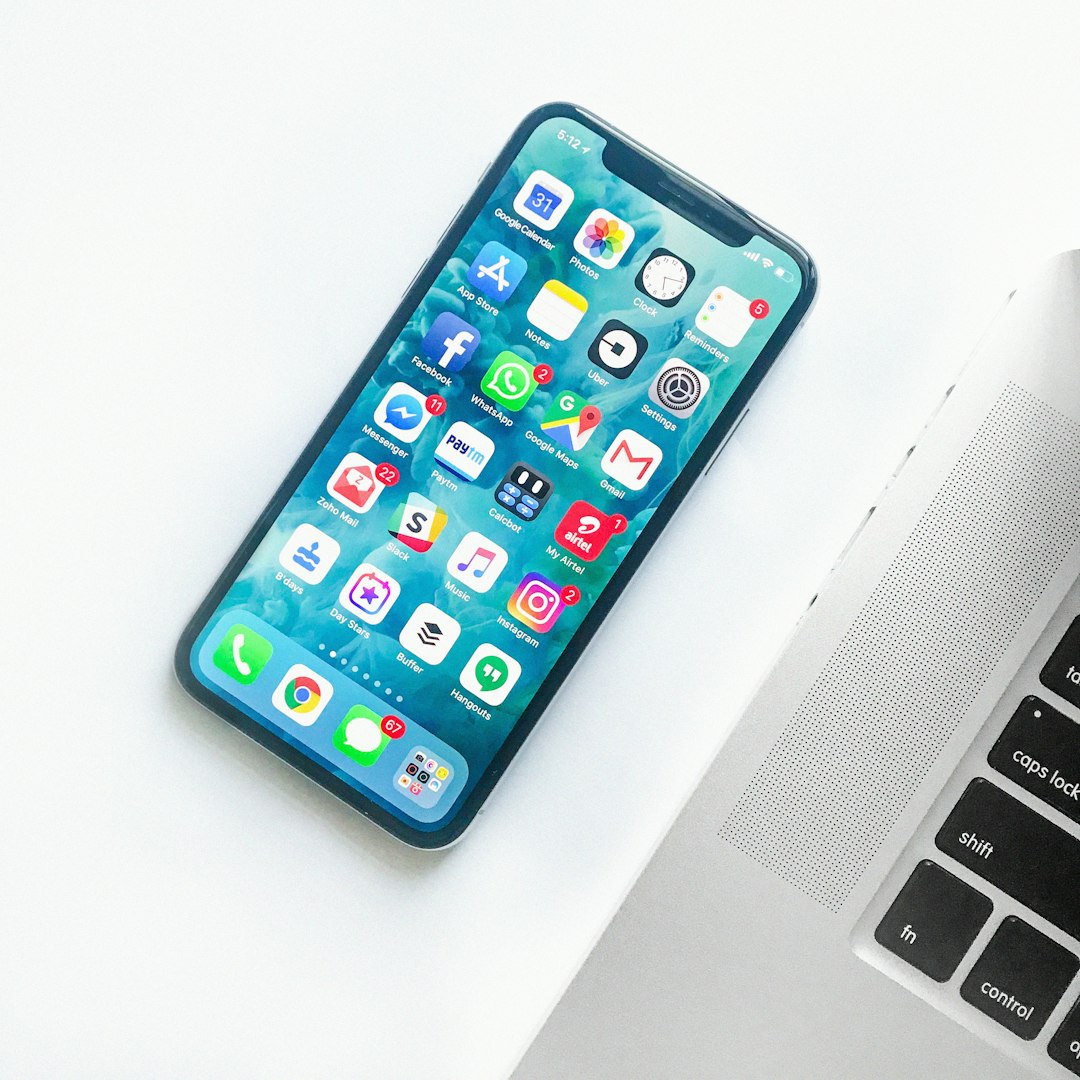
Robocalls have become a pervasive and frustrating aspect of modern life, particularly for Alabama residents. These automated phone calls, often delivering pre-recorded messages from telemarketers or scammers, are not only annoying but also a significant concern due to their potential to facilitate fraud and invasion of privacy. Understanding robocalls and navigating the state's Do Not Call laws is essential in reclaiming control over one's communication channels.
Alabama has specific regulations in place to protect its citizens from unwanted calls, particularly those originating from telemarketers. The Alabama Do Not Call Law, part of the state's Consumer Protection Act, prohibits businesses from making automated or prerecorded telephone solicitations to Alabama residents who have not given explicit consent. This law is a powerful tool for consumers, enabling them to register their phone numbers with the state to opt-out of most robocalls. Notably, Alabama allows residents to block calls from specific numbers manually and also offers the option to file complaints against violators, ensuring accountability.
Do Not Call law firms in Alabama play a crucial role in educating citizens about their rights and assisting them in managing these unwanted calls. These firms provide legal guidance, help consumers register on national Do Not Call registries, and take proactive measures to block robocalls at the source. By staying informed about the law and leveraging available resources, Alabama residents can significantly reduce the number of robocalls they receive, enhancing their overall communication experience.
Identifying Top Robocall Blocking Apps for Android and iOS

In Alabama, as across the nation, robocalls remain a persistent nuisance, with millions of unwanted calls flooding phone lines daily. According to recent data from the Federal Communications Commission (FCC), Do Not Call registrations have grown significantly, reflecting the increasing frustration among consumers. To combat this issue effectively, many Alabama residents are turning to robust robocall blocking apps available on both Android and iOS platforms.
Identifying the top-rated apps in this category involves a nuanced understanding of their features, accuracy, and user feedback. Apps like Hiya and TrueCall stand out for their advanced AI capabilities, analyzing call patterns to identify and block spam calls with impressive precision rates. Both offer robust do not disturb functionalities, allowing users to customize settings for specific contacts or types of calls. Another notable app, NoCall, focuses on comprehensive call identification and blocking, leveraging a community-driven approach where users contribute to an evolving database of known robocallers.
Beyond blocking, these apps provide valuable insights into the origins of calls, including geographic information and caller ID data. This transparency empowers Alabama residents not only to protect themselves from unwanted intrusions but also to report suspicious activity to relevant authorities. By combining cutting-edge technology with community engagement, these top-rated robocall blocking apps offer a multi-faceted solution tailored to the unique challenges faced by Alabama consumers, ensuring a quieter and safer communication environment.
Evaluating App Features: Call Filtering, Blacklists, and More

In the ongoing battle against robocalls, particularly in Alabama where Do Not Call laws are stringent, consumers have turned to a range of apps designed to filter these unwanted calls. When evaluating top-rated options, several key features stand out as critical factors for effective protection. Call filtering is a foundational aspect; these apps utilize sophisticated algorithms and machine learning models to identify and block automated voices, significantly reducing the volume of robocalls received.
Beyond call filtering, robust app functionalities include customizable blacklists. Users in Alabama can manually add phone numbers from telemarketers or scammers to their personal blocklists, ensuring that even as technologies evolve, specific known offenders are consistently blocked. Furthermore, many apps offer whitelisting options, allowing users to permit calls from trusted sources, maintaining connectivity with legitimate businesses while silencing robocalls.
Data privacy and security are also paramount. Reputable apps employ end-to-end encryption to safeguard user information and call data. This ensures that personal details remain confidential, adhering to Alabama's stringent privacy laws. Integrating with existing phone features like Do Not Disturb modes enhances the app's utility, providing a comprehensive solution for managing calls. Users in Alabama should opt for apps that seamlessly update their blocking rules based on emerging trends in scamming and telemarketing tactics, ensuring ongoing protection against new robocall variants.
Installing and Setting Up Your Chosen Robocall Blocker
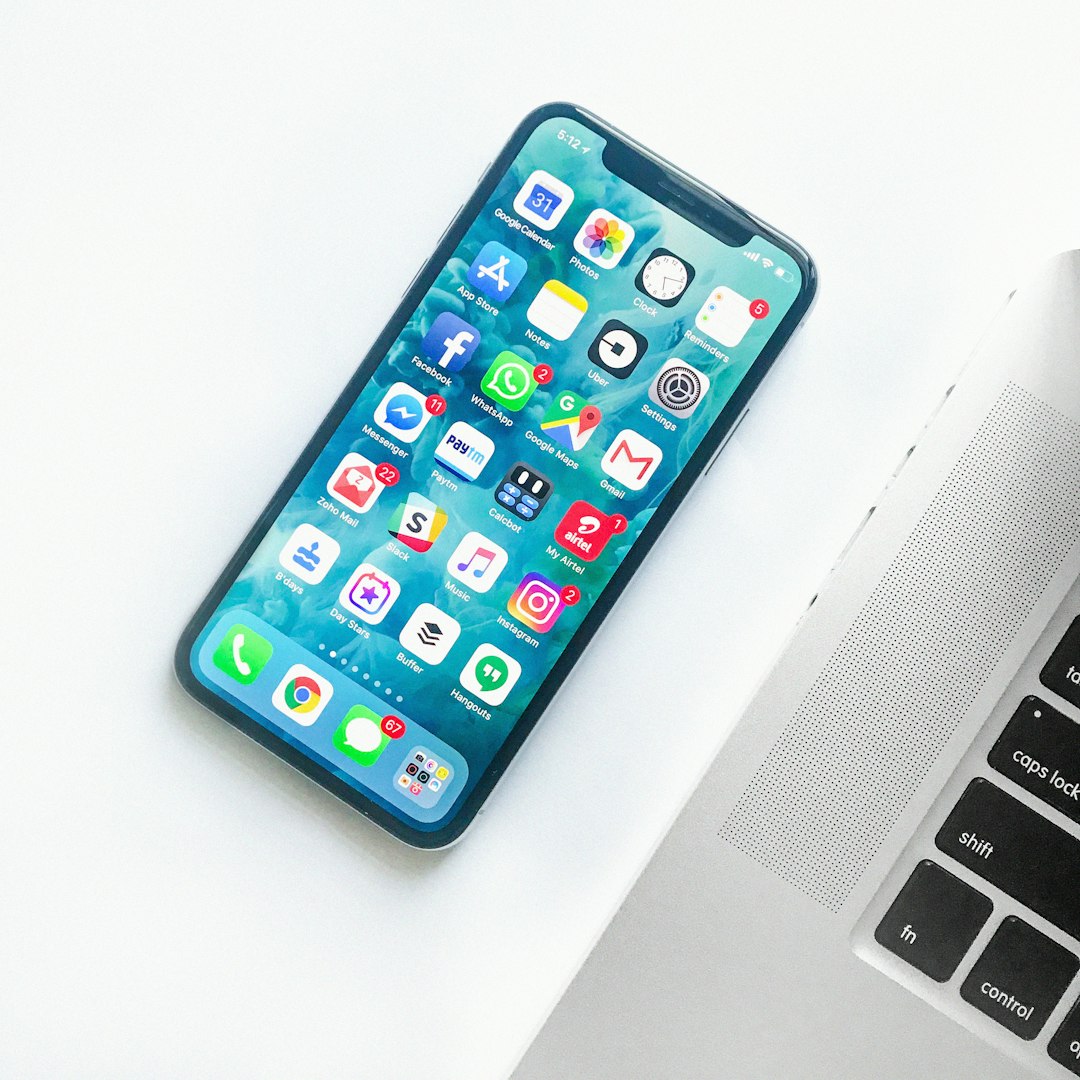
Blocking robocalls has become a critical step for individuals across Alabama to regain control over their phone lines, especially with the proliferation of automated calls from Do Not Call law firms and other unwanted sources. Among the top-rated apps designed to combat this issue, several stand out for their comprehensive features and user-friendly interfaces. The process of installing and setting up a robocall blocker typically involves a few straightforward steps.
Upon downloading your chosen app, create an account and configure your call blocking settings according to your preferences. This often includes specifying the types of calls you wish to block, such as telemarketers or political campaigns. Many apps offer customizable lists where users can manually add phone numbers to be blocked forever or for a specific period. Once set up, these applications utilize sophisticated algorithms and noise cancellation technology to identify and disrupt incoming robocalls before they reach your device.
For instance, leading apps like TrueCall or NoCall boast success rates exceeding 90% in blocking unwanted calls, including those from law firms seeking to promote their Do Not Call services. Users can also benefit from real-time call screening, allowing them to review and accept only the calls they want. Regular updates ensure these apps stay ahead of evolving robocall tactics, providing a dynamic defense against persistent automated callers.
Enhancing Privacy: Advanced Tips to Avoid Unwanted Calls

In Alabama, as across the nation, robocalls remain a persistent nuisance, with millions of unwanted calls flooding phone lines daily. While conventional blocking methods offer some relief, advanced users seek more sophisticated solutions to enhance privacy and protect against these intrusions. Understanding the tactics employed by both call spammers and legal protections available is crucial in navigating this modern challenge.
One effective strategy involves leveraging specialized apps designed to identify and block robocalls. These applications utilize a combination of machine learning algorithms, community-driven reporting, and extensive databases to detect and filter out unwanted calls. For instance, apps like TrueCall or NoCaller have gained popularity for their robust features, including real-time call blocking, automated identification of spam numbers, and community-sourced feedback that continuously updates the app's effectiveness. Furthermore, these apps often integrate with Do Not Call registries, ensuring compliance with state laws, such as Alabama's regulations on telemarketing practices.
However, it's not just about blocking; these apps empower users with advanced privacy tools. Many offer call identification features, revealing the nature of the caller (known or unknown) and even providing insights into potential scams or fraudulent activities. By educating users about common tactics employed by spammers, these apps foster a more informed and vigilant approach to privacy protection. As the landscape of robocalls evolves, so too must the tools used to combat them, ensuring that Alabama residents can enjoy their right to peace and quiet, free from intrusive calls—especially those from law firms or other unwanted sources.