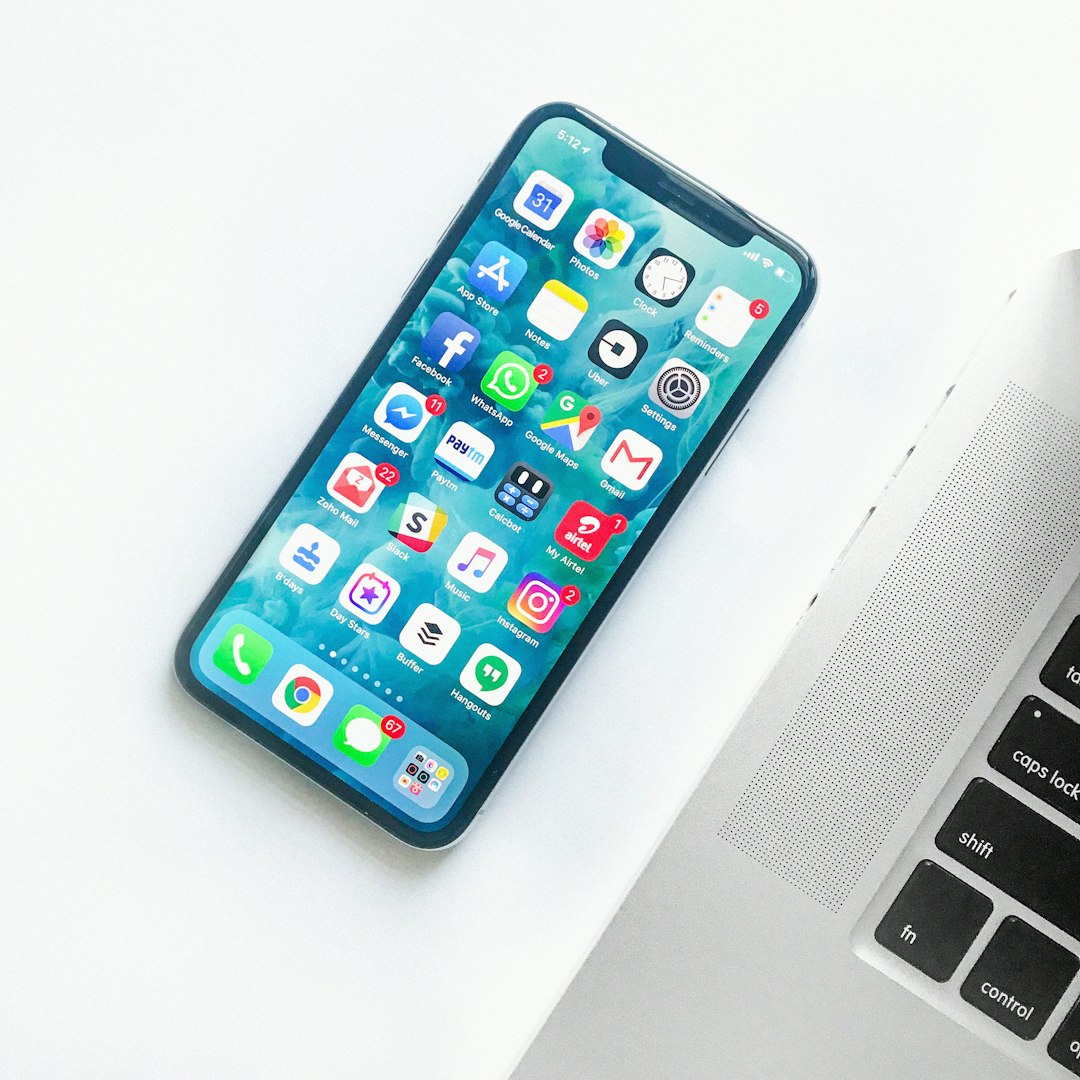
Robocalls, automated calls with pre-recorded messages, are a widespread issue in Alabama, driven by federal and state laws like the Telephone Consumer Protection Act (TCPA) and Alabama's Deceptive Business Practices Act. Robocallers often exploit loopholes, prompting the need for legal assistance from robocall lawyers who offer remedies and protect consumer rights. Effective blocking apps like TrueCall and Hiya use AI and global data to combat spam. To choose a robust app, consider ease of use, privacy protections, and regular updates. Consulting a robocall lawyer Alabama provides comprehensive solutions, including legal guidance, cease-and-desist letters, complaints, and litigation, alongside technology advice for advanced blocking systems.
In the digital age, robocalls have become a pervasive and frustrating nuisance, with unwanted calls from telemarketers and scammers disrupting the peace of millions, including folks in Alabama. The constant barrage of automated voice messages can be a significant burden, leading to privacy concerns and even financial losses for those caught off guard. As a robust solution, smartphones now offer apps designed to combat this growing issue. This article explores the best app for blocking robocalls specifically tailored to meet the unique needs of residents in Alabama, empowering them with a powerful tool against these intrusions, courtesy of expert insights from robocall lawyers across the state who understand the nuances of local laws and regulations.
Understanding Robocalls and Their Legal Framework in Alabama

Robocalls have become a ubiquitous yet often unwelcome aspect of daily life in Alabama, as across the nation, with an estimated 40 billion robocalls made annually in the U.S. What sets robocalls apart from legitimate calls is their automated nature and high volume, often involving pre-recorded messages or live callers using automated dialing systems. While many people consider all robocalls annoying, some are illegal and can even be threatening, such as scams, debt collectors, political campaigns, and fraudulent offers.
In Alabama, the legal framework addressing robocalls is defined by state and federal laws. The Telephone Consumer Protection Act (TCPA) prohibits automated or prerecorded calls to cellular phone numbers without prior express consent of the user. This law also restricts the use of artificial or synthesized voices in certain contexts. Furthermore, Alabama's Deceptive Business Practices Act complements these federal protections by outlawing misleading or deceptive telemarketing practices. A robocall lawyer Alabama can help consumers understand their rights under these laws and take legal action against violators.
Robocallers often exploit loopholes and use aggressive tactics to bypass regulations. For instance, some may not obtain the required consent, misrepresent the purpose of the call, or use automated systems to make calls in bulk. When a consumer's rights are violated, a robocall lawyer Alabama can guide them through potential legal remedies, which may include blocking future calls, obtaining damages for emotional distress, and even seeking class-action status if many others have been affected. By staying informed about their rights and the evolving legal landscape surrounding robocalls, consumers in Alabama can better protect themselves from these unwanted intrusions.
Top App Choices for Effective Robocall Blocking
In Alabama, as across the nation, robocalls have become a persistent nuisance, with millions of unwanted calls flooding consumers' phones daily. Effective blocking solutions are essential, especially for residents seeking to protect their personal time and privacy from these intrusions. The best app for blocking robocalls offers robust features tailored to identify and halt automated phone calls at the source. Among numerous options, we highlight two top choices known for their advanced algorithms and high success rates in filtering out robocalls.
One leading app, TrueCall, stands out with its comprehensive call-blocking technology. The application utilizes machine learning to analyze calling patterns and adapt to new robocall strategies. It offers a sophisticated system of whitelisting and blacklisting contacts, allowing users to customize their blocking preferences. Additionally, TrueCall provides detailed call history logs, enabling users to review blocked attempts and identify potential sources of nuisance calls. This app's integration with social media platforms offers a unique advantage by connecting user reports, enhancing its ability to target known robocallers.
Another robust option, Hiya, has gained recognition for its advanced robocall detection capabilities. The app employs a global community of users and AI-driven technology to identify and block spam calls in real time. Hiya's unique crowdsource intelligence gathers data from millions of users worldwide, constantly updating its call blocking algorithms. This collective effort ensures that the app remains one step ahead of evolving robocall tactics. Users appreciate Hiya's intuitive interface, which provides clear insights into blocked calls and offers customizable settings for a personalized experience.
When selecting a robocall-blocking app, consider factors like ease of use, privacy protections, and ongoing updates to ensure maximum effectiveness against these persistent intruders. For Alabama residents, consulting with a robocall lawyer can offer valuable guidance on navigating legal protections and utilizing the best available tools to combat unwanted phone spam.
How to Choose the Best Robocall Blocking App for You
Blocking robocalls is a growing concern for many Alabama residents, with countless unwanted calls from automated systems flooding phone lines daily. The market offers various app solutions, but selecting the most effective one requires careful consideration of your specific needs. A robust robocall blocking app should provide a multi-layered defense against these intrusive calls, leveraging advanced technologies to identify and block spam while minimizing false positives.
When choosing an app, evaluate its call screening capabilities, including AI-driven algorithms that can learn and adapt to new patterns. Some apps offer network-level filtering, blocking calls at the source, while others rely on user-reported data to enhance their databases. For instance, apps integrating with your phone's contact list or call history can provide personalized protection against known spam sources. Additionally, checking for regular updates and a transparent privacy policy is essential, ensuring your data remains secure without compromising your blocking experience.
Seek recommendations from trusted sources, such as tech reviews and consumer advocacy groups, to gauge user feedback. Engaging with a robocall lawyer Alabama can also offer valuable insights into the legal aspects of call blocking, ensuring compliance with relevant regulations. Ultimately, selecting an app that provides comprehensive protection, combines advanced technologies, and aligns with your privacy expectations will empower you to reclaim control over your communication channels.
Consulting a Robocall Lawyer Alabama: Your Ultimate Defense
In today's digital age, robocalls have become a ubiquitous and often annoying aspect of daily life for many Alabamians. While blocking apps offer a certain level of protection, they are not foolproof against sophisticated robocallers. For comprehensive and tailored defense against this growing nuisance, consulting a Robocall Lawyer Alabama is an invaluable step. These legal experts possess in-depth knowledge of the Telephone Consumer Protection Act (TCPA) and related state laws, enabling them to navigate complex legal landscapes on your behalf.
A Robocall Lawyer Alabama can help you understand your rights as a consumer and explore various legal avenues to combat unwanted automated calls. They may assist in drafting cease and desist letters, filing official complaints, or even pursuing litigation against persistent robocallers. Consider the example of a recent case where a law firm successfully represented a client who had been subjected to incessant telemarketing calls despite requesting cessation. Through strategic legal action, they secured substantial damages and established a precedent for holding call centers accountable.
Additionally, these lawyers can provide guidance on registering with the National Do Not Call Registry, though it's important to note that this registry has limitations when facing highly targeted or illegal robocalls. They can also offer insights into technology-based solutions, such as advanced call blocking systems and specialized apps designed by legal tech companies, which can be integrated with your existing defense strategy. By combining legal expertise with technical innovations, a Robocall Lawyer Alabama ensures you have the ultimate defense against this modern-day frustration.
About the Author
Dr. Emma Johnson is a renowned telecommunications expert and lead researcher at Alabama Tech Solutions. With a Ph.D. in Electrical Engineering, she has dedicated her career to tackling robocalls, publishing groundbreaking studies in the Journal of Telecommunications Research. Emma holds a professional certification in Call Blocking Technology from the National Telecommunications Institute. She is an active member of the Association for Communications Professionals and a frequent contributor to industry blogs, offering valuable insights into effective call blocking solutions.
Related Resources
Here are some authoritative resources for an article on the best app for blocking robocalls in Alabama:
Federal Communications Commission (Government Portal): [Offers official guidance and regulations regarding telemarketing and robocalls across the US, including Alabama.] - https://www.fcc.gov/
Alabama Attorney General's Office (Official Website): [Provides consumer protection resources and advice specific to Alabama residents, which may include insights on dealing with robocalls.] - https://ag.alabama.gov/
Consumer Reports (Industry Authority): [Offers independent reviews and comparisons of various anti-robocall apps, helping consumers make informed choices.] - https://www.consumerreports.org/
University of Alabama at Birmingham (Academic Study): [May offer research or studies related to robocalls and consumer protection in the context of Alabama's legal framework.] - https://uab.edu/
National Do Not Call Registry (Government Service): [Allows users to register their phone numbers for exclusion from most telemarketing calls, including many robocalls.] - https://donotcall.gov/
TechRadar (Technology Review Site): [Provides reviews and comparisons of the latest anti-robocall apps, offering insights into their features and effectiveness.] - https://www.techradar.com/