
Robocalls are a major issue in Alabama, with TCPA protecting residents from abusive practices. Failure to obtain consent leads to heavy fines. Residents should document suspicious calls and consult a robocall Attorney Alabama. Apps like TrueCall and Hiya block automated calls using advanced tech. Alabama's strict spam laws center around TCPA, enforced by the Attorney General's Office. Businesses must implement robust call tracking, communicate clearly, and honor consumer preferences to avoid legal issues and costly penalties, with assistance from a robocall Attorney Alabama.
In today's digital age, robocalls have become a pervasive nuisance across Alabama, affecting millions of residents. These automated calls, often originating from unscrupulous sources, not only disrupt daily life but also pose risks to personal information security. As a robust solution, top apps designed to mitigate and block robocalls offer a promising avenue for relief. This authoritative piece delves into the most effective robocall-blocking applications available in Alabama, empowering residents with knowledge to protect their privacy and peace of mind. With insights from industry experts and real-world user experiences, we provide an essential guide to navigating this modern challenge, ensuring you stay ahead of unwanted interruptions.
Understanding Robocalls: A Legal Perspective in Alabama

Robocalls have become a pervasive issue nationwide, including Alabama, where many residents face numerous unsolicited automated phone calls daily. Understanding the legal perspective surrounding robocalls is essential to combating this growing problem. In Alabama, the Telephone Consumer Protection Act (TCPA) provides significant protections for consumers against abusive robocall practices. This federal law strictly regulates automated telephone marketing and mandates express consent from recipients before making such calls.
A robocall Attorney Alabama can offer valuable insights into navigating these legal complexities. They explain that failure to obtain proper consent can result in substantial financial penalties for call centers and businesses engaging in unlawful robocalling activities. For instance, in recent cases, courts have awarded consumers millions of dollars in damages due to violative robocalls. These rulings highlight the stringent enforcement of TCPA regulations and serve as a stark reminder to businesses to adhere to legal requirements.
Practical advice for Alabama residents includes being vigilant about unknown callers and reviewing call history for suspicious activity. If suspected robocalls are received, documenting the calls—including timestamps, caller ID information, and any recorded messages—can be crucial in potential legal actions. Consulting with a robocall Attorney Alabama can also equip individuals with knowledge of their rights and options for seeking redress when facing persistent or unlawful robocall harassment. By staying informed and taking proactive measures, residents can better protect themselves against this modern-day nuisance.
Top Apps to Block Robocalls: Effective Solutions for Alabama Residents
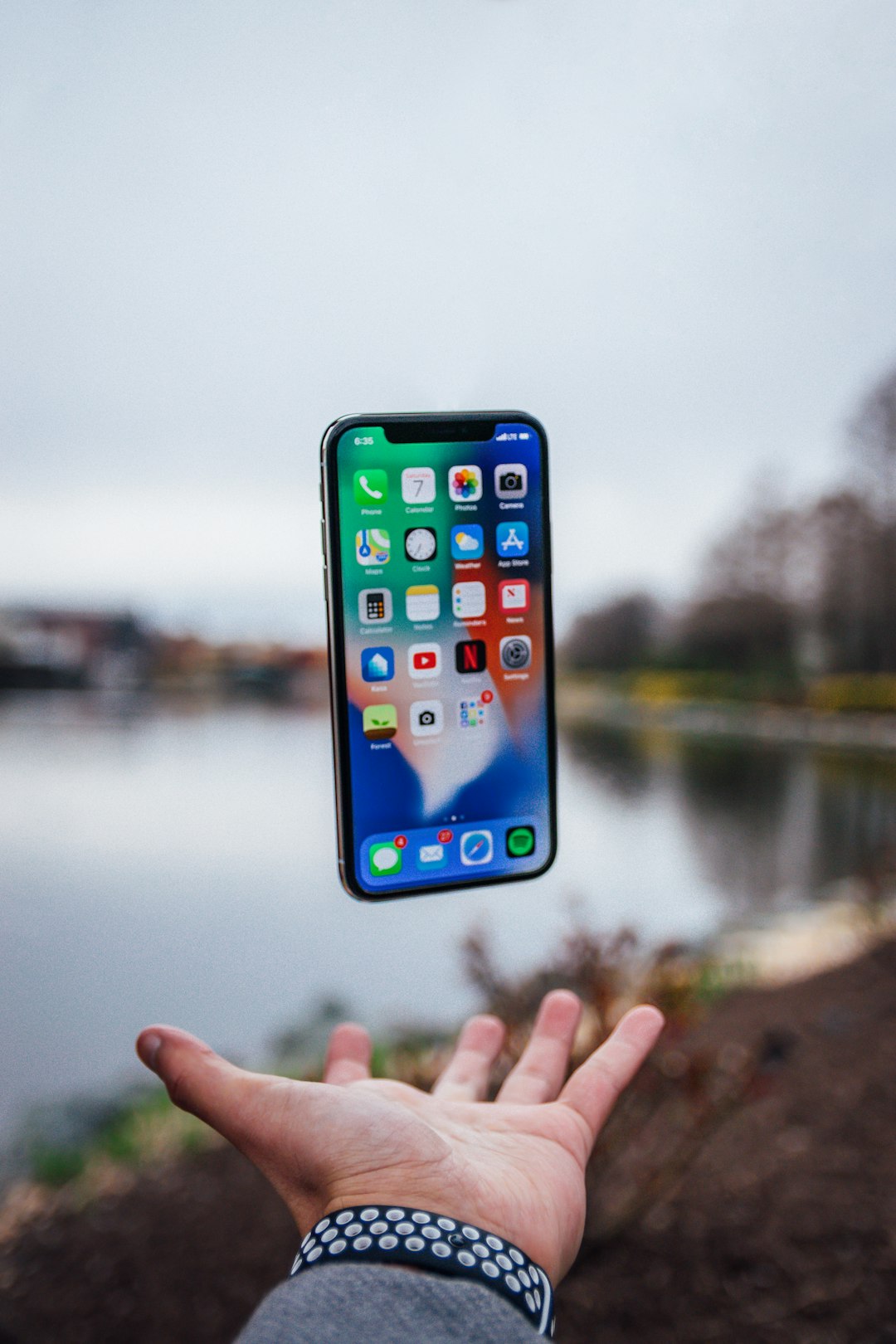
In the face of persistent robocalls plaguing Alabama residents, innovative mobile applications stand as robust defenses. These apps leverage advanced technologies like machine learning to identify and block automated calls, providing much-needed respite from unwanted intrusions. Among the top contenders, TrueCall and Hiya emerge as industry leaders, offering sophisticated features tailored for the unique challenges of Alabama's telecommunications landscape.
TrueCall, for instance, employs a comprehensive database of known robocallers, regularly updated by its global community of users and expert analysts. This collaborative approach ensures that no caller goes unnoticed, significantly reducing false positives. Additionally, it allows users to report suspicious calls, contributing to a collective effort to combat spamming. Hiya takes a slightly different tack, focusing on analyzing call patterns and signatures to predict and block robocalls before they reach your device. This predictive model, backed by vast global data, has proven highly effective in stopping even the most sophisticated automated campaigns.
While these apps offer powerful solutions, it's crucial for Alabama residents to remain vigilant. A robocall attorney Alabama emphasizes that compliance with local laws and regulations is paramount. Many applications provide options to report abusive calls, which can aid enforcement efforts. By combining advanced technology with user awareness, Alabamians can create a more robust defense against robocalls, ensuring a safer and quieter communication environment. Regular updates and critical thinking about the apps' settings are key to maintaining effectiveness in this ongoing battle.
Navigating Spam Protection Laws: Tips from a Robocall Attorney Alabama
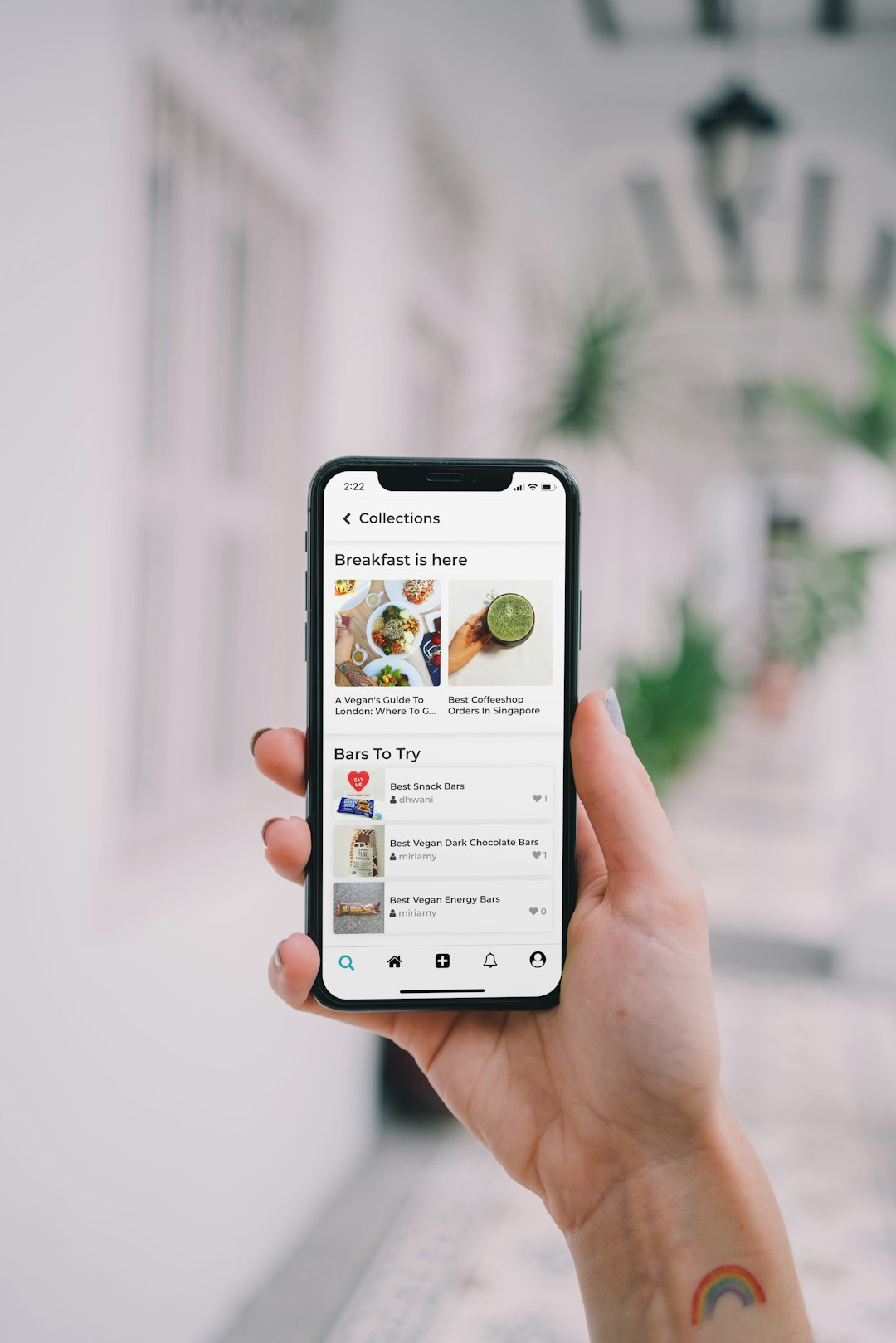
Navigating Spam Protection Laws in Alabama: Tips from a Robocall Attorney Alabama
In the age of digital communication, robocalls have become a persistent nuisance, with many Americans receiving unwanted calls daily. Alabama, like other states, has implemented strict spam protection laws to safeguard its residents from these intrusive and often fraudulent messages. Understanding these laws is crucial, especially for businesses operating within the state, as non-compliance can result in significant penalties. A robocall Attorney Alabama highlights a few key aspects that businesses and individuals should be aware of.
One of the primary pieces of legislation to familiarize yourself with is the Telephone Consumer Protection Act (TCPA). This federal law prohibits automated calls, including robocalls, from being placed to residential telephone lines without prior explicit consent. Furthermore, it mandates that companies obtain 'opt-in' consent for marketing purposes, ensuring consumers have control over their communication preferences. In Alabama, the Attorney General's Office actively enforces these rules, and a robocall Attorney Alabama can provide insights into successful cases brought against violators. For instance, recent settlements have seen phone companies and telemarketers pay substantial fines for ignoring do-not-call requests and making prerecorded sales calls without consent.
To avoid becoming a legal target, businesses should implement robust call tracking and consent management systems. This involves clearly communicating call purposes, providing opt-out mechanisms, and honoring consumer preferences. A robocall Attorney Alabama advises that maintaining detailed records of consent processes is essential to demonstrate compliance in the event of an investigation. By adhering to these guidelines, companies can ensure they respect Alabama's spam protection laws while protecting their reputation and avoiding costly legal repercussions.