
Alabama's robocall laws, governed by the TCPA, strictly regulate automated calls to residential phones without prior consent, with significant penalties up to $1,500 per violation. Choosing a reliable robocall blocker is crucial for compliance and privacy protection. Essential features include advanced call identification, seamless integration, high accuracy rates, community-driven updates, and regular software updates to counter evolving scams. Top blockers leverage AI, machine learning, and whitelists/blacklists to adapt to new spam sources while allowing essential local numbers. Regular review and adaptation of settings ensure ongoing effectiveness against unwanted calls under Alabama's consumer protection laws.
In the digital age, our phone lines have become a battleground between valuable communication and relentless robocalls. Alabama residents, like many across the nation, face an escalating tide of unwanted automated calls, from political messaging to high-pressure sales pitches. Navigating these regulations under Alabama's robocall laws requires savvy consumers equipped with effective solutions. This article guides you through the process of selecting a robust robocall blocker, offering insights into cutting-edge technologies and legal considerations to ensure your peace of mind in an increasingly noisy world.
Understanding Robocall Laws in Alabama

In Alabama, as across the United States, robocalls have become a persistent nuisance, leading many residents to seek effective solutions. Understanding the legal framework surrounding these automated calls is essential when choosing a robocall blocker. The Telephone Consumer Protection Act (TCPA) of 1973, amended in 2003 and 2016, forms the basis of robocall regulation in Alabama and nationwide. This federal law prohibits automated telephone equipment from making or sending any prerecorded or artificial message to a residential telephone unless the caller has obtained prior express consent from the recipient.
Alabama's Attorney General's Office actively enforces these laws, with numerous cases against companies violating robocall regulations. In 2021, for instance, the office secured a $5 million settlement against a company making unwanted sales calls using automated technology. Such actions underscore the state's commitment to protecting residents from deceptive and harassing robocalls. When evaluating a robocall blocker, consider how it aligns with these stringent legal standards to ensure its effectiveness in your Alabama residence.
Robocall laws in Alabama are not merely theoretical; they carry significant penalties for non-compliance. Fines can range up to $1,500 per violation, with potential treble damages if the violations involve telemarketing or debt collection calls. Given this robust legal framework, it's crucial to select a robocall blocker that respects and abides by Alabama's laws. Look for features that block prerecorded messages and allow for granular control over call permissions, ensuring your privacy and peace of mind.
Identifying Reliable Robocall Blockers
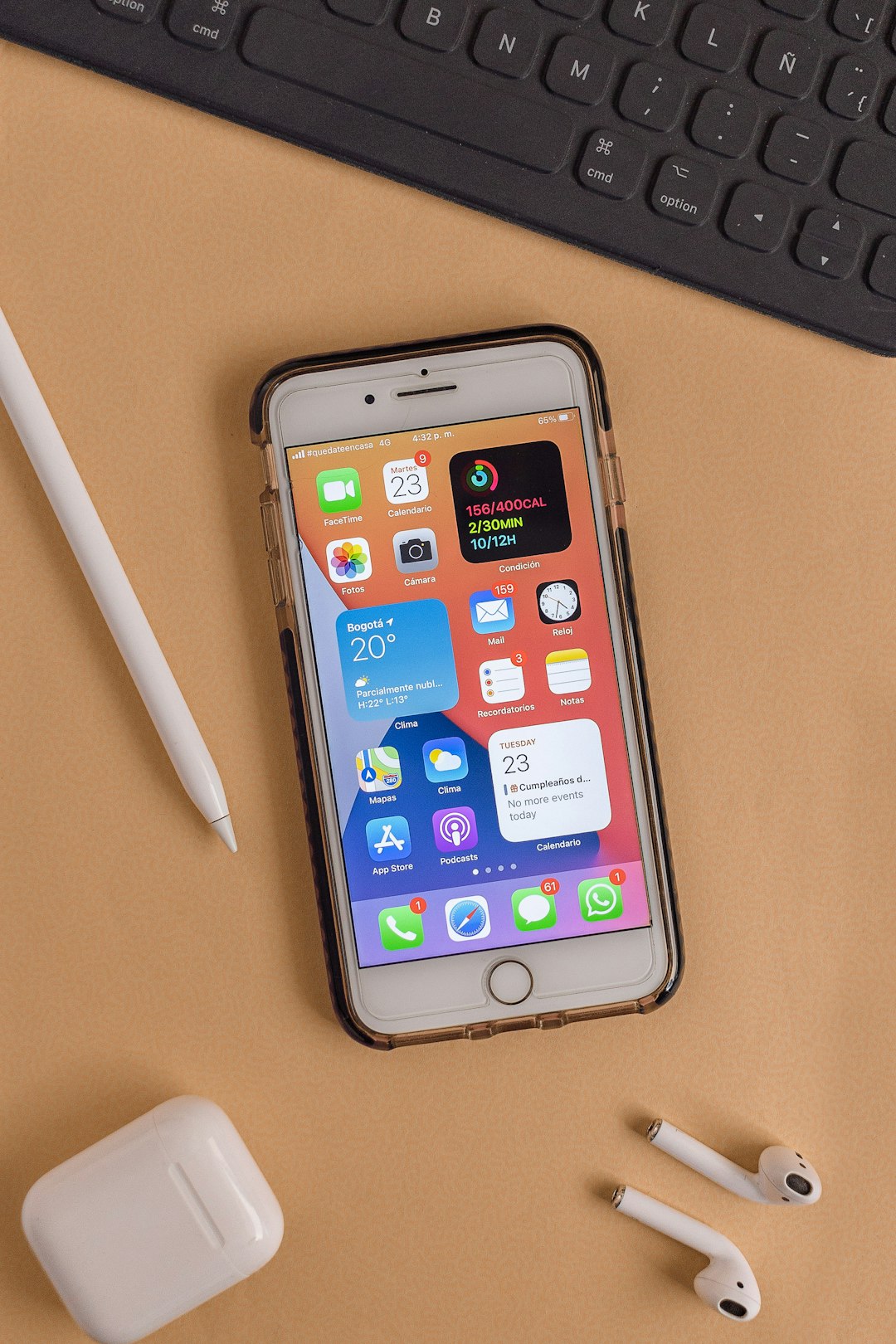
Choosing a reliable robocall blocker is an important step in navigating Alabama's robocall laws, which aim to protect residents from unwanted and often fraudulent calls. The market offers various options, each with unique features designed to mitigate these intrusions. When identifying the best robocall blockers, consider those that employ advanced call-filtering technologies, such as AI-driven algorithms capable of recognizing patterns and blocking known scammer numbers.
One key aspect is integration with existing communication systems. Top-tier solutions seamlessly connect with smartphones, landlines, and even home security systems, providing comprehensive protection across all platforms. For instance, some applications utilize whitelists and blacklists to ensure only authorized contacts reach you, effectively blocking spam calls in Alabama and beyond. Additionally, real-time updates from community-driven call-blocking networks can significantly enhance the effectiveness of these tools.
Expert recommendations often highlight apps with high accuracy rates and minimal false positives. Users should opt for solutions that offer transparent reporting on blocked calls, allowing them to verify the system's efficacy. Regularly updating the blocking software is also crucial, as scammers adapt their tactics rapidly. By keeping your robocall blocker up-to-date with the latest call patterns and known scammer lists, you can maintain robust protection under Alabama's consumer protection laws.
Evaluating Features and Effectiveness

Choosing a robocall blocker in Alabama requires careful consideration given the state's specific robocall laws. Alabama law allows residents to block unwanted calls, making it crucial to select a tool that not only complies with these regulations but also offers robust features for effective protection. One key aspect is call identification and filtering; advanced blocking systems utilize sophisticated algorithms to recognize and block automated calls while allowing legitimate communications. These technologies often integrate with the state's Do Not Call registry, ensuring compliance from day one.
Furthermore, evaluating a blocker's ability to adapt to evolving scams is essential. Robocallers frequently change their tactics, employing new techniques and numbers. The best blockers employ machine learning algorithms capable of identifying and blocking emerging trends in automated fraud. For instance, many modern blocking apps can detect and filter calls from known spam sources, VoIP services often used by robocallers, and even recognize patterns indicative of scams based on historical data.
Practical insights suggest testing different blockings solutions to assess their accuracy and performance. Data from consumer reports and independent tests can provide valuable benchmarks. Users should also consider features like call history logging, custom blocking lists, and reporting mechanisms for suspicious calls. By combining these tools with Alabama's robocall laws, residents can significantly reduce the volume of unwanted calls, fostering a safer and more secure communication environment.
Installing and Maintaining Your Blocker

Choosing a robocall blocker in Alabama requires careful consideration of your specific needs and the features offered by various solutions. Installation and maintenance are critical aspects that often go overlooked but significantly impact the effectiveness of your blocker. In Alabama, where robocalls have been a persistent nuisance, with some estimates suggesting up to 50% of calls being unwanted, an efficient blocking system can make a substantial difference.
Upon selecting a blocker, ensure it's compatible with your existing phone setup and internet infrastructure. Many modern solutions offer seamless integration with popular smartphone operating systems and home networks. Proper installation involves configuring call filtering settings, setting up rules to block specific types of calls (e.g., based on area codes or call patterns), and ensuring any necessary updates are applied. Regular maintenance includes keeping the blocker's software updated, monitoring blocked call logs for any new trends or scams, and adjusting settings as your needs change over time.
For instance, consider a tool that allows you to block calls from known telemarketers and political campaigns while allowing important local numbers like hospitals or emergency services. It should also provide insights into the types of robocalls received and their source, helping you stay informed about emerging scams. Alabama's robocall laws emphasize the right to privacy and offer consumers protection against unwanted calls, making a robust blocking system not just beneficial but legally supported.
Proactive maintenance ensures your blocker remains effective as call scammers evolve their tactics. Regularly review blocked call data, report suspicious activity, and adapt settings accordingly. By adhering to these practices, you can transform your Alabama home into a more peaceful environment, free from the constant intrusion of robocalls, leveraging your right to quiet under the state's consumer protection laws.