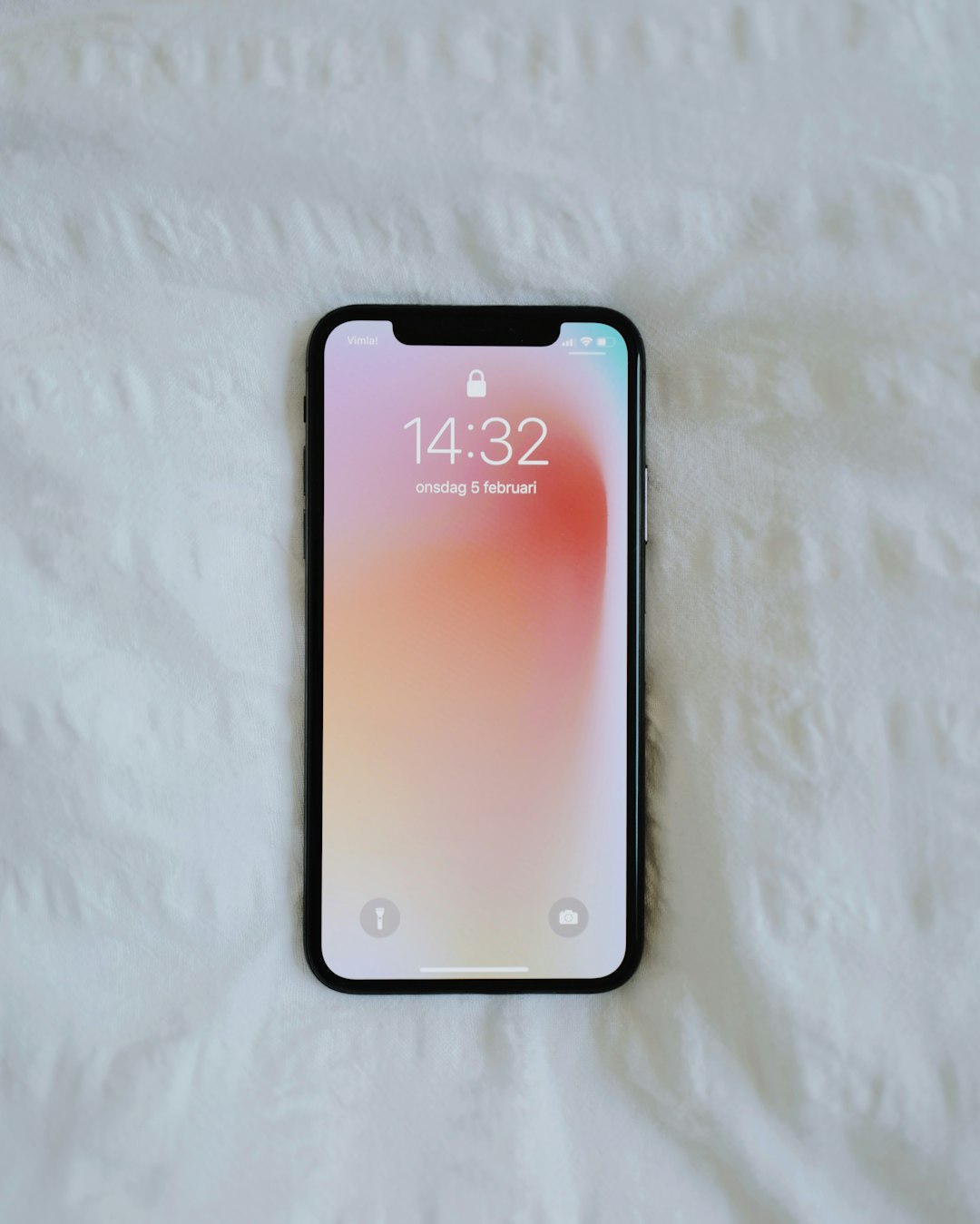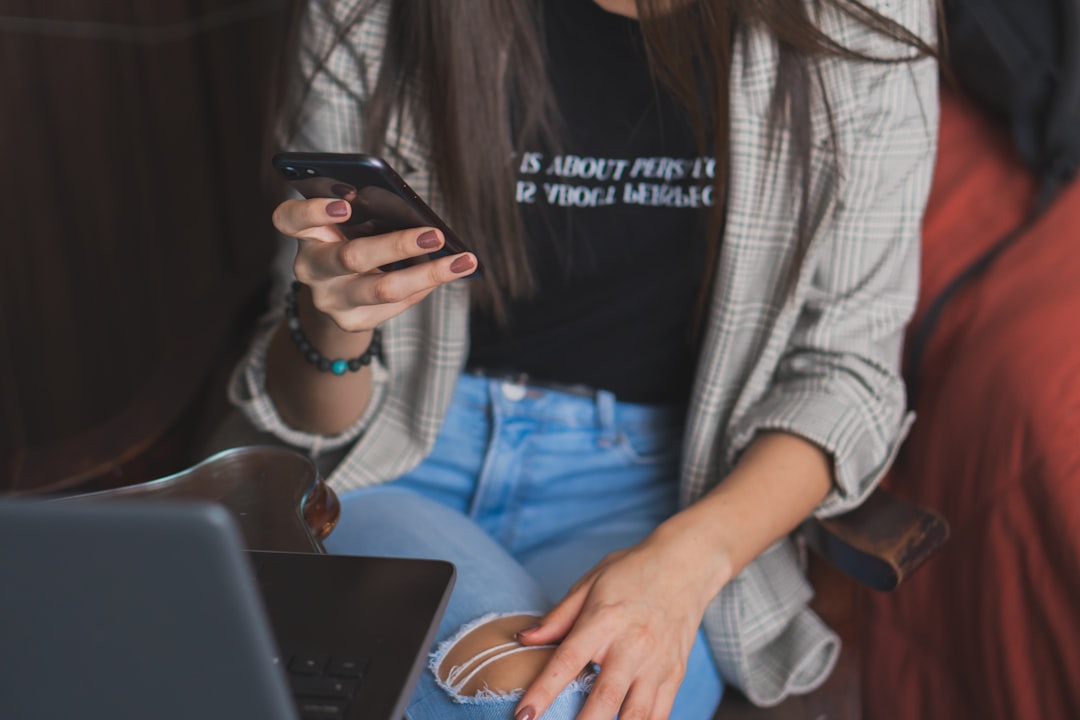
Robocalls are a significant issue in Alabama, driven by fraud and consumer protection concerns. Alabama laws and federal regulations like the TCPA prohibit deceptive practices. Consumers can protect themselves through the National Do Not Call Registry, blocking apps (e.g., CallGuard, Hush), reporting suspicious calls, and consulting a robocall Attorney Alabama for legal recourse. Advanced app technologies like CallGuard and NoMoRobo offer robust spam call blocking with customizable settings. These tools, combined with understanding legal protections, empower residents to reclaim control over communication channels and mitigate robocall impact. Consulting a robocall Attorney Alabama is crucial for navigating TCPA and seeking damages against unauthorized calls.
In the digital age, robocalls have become a pervasive and irritating nuisance for folks across Alabama, as well as everywhere else. These automated phone calls, often promoting products or services, can be difficult to block and are a common source of frustration for many. As a robocall attorney in Alabama, we understand the impact these calls can have on individuals’ daily lives. This article delves into the problem and offers practical solutions by highlighting friendly apps designed specifically to combat robocalls, providing Alabamans with tools to reclaim their peace of mind and control over unwanted phone noise.
Understanding Robocalls in Alabama: Laws and Rights
In Alabama, as across the United States, robocalls have become a persistent nuisance, with millions of Americans receiving unwanted automated calls daily. While some robocalls promote legitimate services or organizations, many are used for fraudulent purposes, such as scams, identity theft, and debt collection abuse. Understanding the laws and rights surrounding robocalls is crucial for Alabamians seeking to protect themselves from these intrusive and often illegal practices.
Alabama has specific legislation in place to combat robocalling abuse. The Alabama Unfair or Deceptive Acts Act prohibits businesses from using deceptive or unfair methods, including automated telephone dialing systems (ATDS), to solicit or contact consumers. Furthermore, the Telephone Consumer Protection Act (TCPA) at the federal level offers additional protections. According to the TCPA, businesses must obtain prior express consent from recipients before placing robocalls for marketing purposes. Consuming or blocking these calls can be done legally through various means, such as registering with the National Do Not Call Registry or obtaining a robocall-blocking app recommended by legal experts, including a robocall Attorney Alabama.
Practical steps include staying informed about your rights, regularly reviewing call logs for suspicious activity, and reporting unwanted robocalls to relevant authorities. If you suspect fraudulent calls, consult with a robocall Attorney Alabama who specializes in consumer protection law to understand your options and take appropriate legal action. Data from consumer advocacy groups suggests that millions of robocall complaints are filed annually, highlighting the ongoing need for vigilance and enforcement against these harassing practices.
Identifying and Blocking Common Robocallers
Identifying and blocking common robocallers is a crucial step in protecting yourself from unwanted and often fraudulent calls. In Alabama, where robocalls have reached epidemic levels, consumers need robust tools to combat these intrusions. One effective strategy involves recognizing patterns and signatures associated with various types of robocallers. For instance, political campaigns and telemarketing companies frequently use automated dialing systems, making them easily identifiable through call data records (CDRs). By analyzing CDRs, users can detect recurring phone numbers from known robocaller sources.
Robocall Attorney Alabama emphasizes that blocking these calls isn’t just about convenience; it’s a critical defense mechanism against potential scams and privacy invasions. Many reputable app developers offer sophisticated filtering systems that learn from user feedback and real-time call data. These apps use advanced algorithms to detect and block not only known robocaller numbers but also emerging patterns, ensuring a dynamic defense against evolving scam artists. For example, apps like CallGuard and Hush have gained popularity for their effective blocking capabilities, allowing users to focus on genuine communications.
However, simply blocking numbers isn’t enough. Consumers should stay informed about new tactics used by robocallers. Regularly reviewing call logs and reporting suspicious calls to relevant authorities can contribute to a collective effort to combat this growing issue. Moreover, staying updated on legal protections against robocalls, such as the Telephone Consumer Protection Act (TCPA), empowers individuals to take proactive measures against violators. By combining technological tools with consumer awareness, Alabama residents can reclaim control over their communication channels and reduce the impact of robocalls.
Top Alabama-Based Apps for Robocall Protection

In the ongoing battle against nuisance robocalls, Alabama residents now have a powerful arsenal at their fingertips—a growing number of Alabama-based apps designed to protect them from unwanted calls. These innovative tools leverage advanced technologies to identify and block spam calls, providing much-needed relief for consumers overwhelmed by this pervasive issue. Among these apps, some stand out as top contenders, offering robust features tailored to the unique needs of Alabamians.
One notable Alabama-based app is CallGuard, which has garnered recognition for its effectiveness in blocking robocalls. This app utilizes machine learning algorithms to analyze and categorize incoming calls, automatically filtering out known spam sources. What sets CallGuard apart is its ability to learn from user feedback, continually refining its call classification models. For instance, users can report a call as spam, and the app will adapt to better identify similar future calls. Additionally, CallGuard offers features like silent mode and customizable call blocking rules, giving users granular control over their communication preferences.
Another powerful tool is NoMoRobo, which has gained popularity for its comprehensive approach to robocall protection. This app not only blocks spam calls but also provides detailed call analytics, allowing users to understand the sources of their nuisance calls. By offering insights into call patterns and trends, NoMoRobo empowers Alabama residents to make informed decisions about their privacy settings. Moreover, it integrates with various communication platforms, ensuring a seamless experience across different devices. Users can rest assured that their data is secure, as the app prioritizes privacy and compliance with state regulations, including those overseen by local robocall attorneys in Alabama.
Legal Protections: How a Robocall Attorney Can Help
In the face of relentless robocalls, many Alabama residents are seeking legal protections to reclaim their privacy. A robocall Attorney Alabama can play a pivotal role in navigating this complex landscape. These attorneys specialize in combating intrusive automated calls, which have become a prevalent nuisance, with nearly 50 billion robocalls made globally in 2021, according to data from GlobalWebIndex.
A robocall Attorney Alabama assists clients by understanding and interpreting the Telephone Consumer Protection Act (TCPA), a federal law designed to curb excessive robocalling. They can help individuals register on “Do Not Call” lists, file complaints against violators, and seek damages for unauthorized calls. For instance, in 2020, a class-action lawsuit led by a robocall Attorney Alabama resulted in a $15 million settlement for consumers affected by illegal telemarketing practices. This demonstrates the tangible impact such legal expertise can have.
Beyond financial compensation, these attorneys empower clients to assert their rights and deter future robocalls. They guide individuals through the legal process, ensuring compliance with TCPA regulations, which ban calls using automated technology without prior consent. With technological advancements making it easier than ever for scammers to target consumers, having a dedicated robocall Attorney Alabama is more crucial than ever to protect privacy and safeguard against financial losses.
Staying Ahead: Best Practices to Avoid Robocalls

In today’s digital age, robocalls have become an increasingly prevalent nuisance, with millions of Americans receiving unwanted calls daily. Alabama residents are no exception, facing a constant barrage of automated messages from political campaigns, telemarketers, and scammers. However, staying ahead of these persistent callers is not impossible. By implementing best practices and leveraging advanced technologies, individuals can significantly reduce the number of robocalls they receive.
One effective strategy involves utilizing call-blocking apps designed specifically to combat robocalls. These applications employ sophisticated algorithms and community-driven data sources to identify and block unwanted calls. For instance, popular Alabama-friendly apps like NoCall and Robokiller use crowd-sourced information to constantly update their blocking lists, ensuring that known robocallers are prevented from reaching your phone. Additionally, these apps offer customizable settings, allowing users to allow or block specific types of calls based on their preferences.
Moreover, a robocall attorney Alabama can provide valuable guidance on navigating the legal aspects of robocall mitigation. Understanding consumer protection laws and privacy regulations empowers individuals to take proactive measures against unwanted calls. By combining robust app technology with legal awareness, Alabama residents can reclaim control over their communication channels, ensuring peace of mind in an era dominated by relentless robocalls.