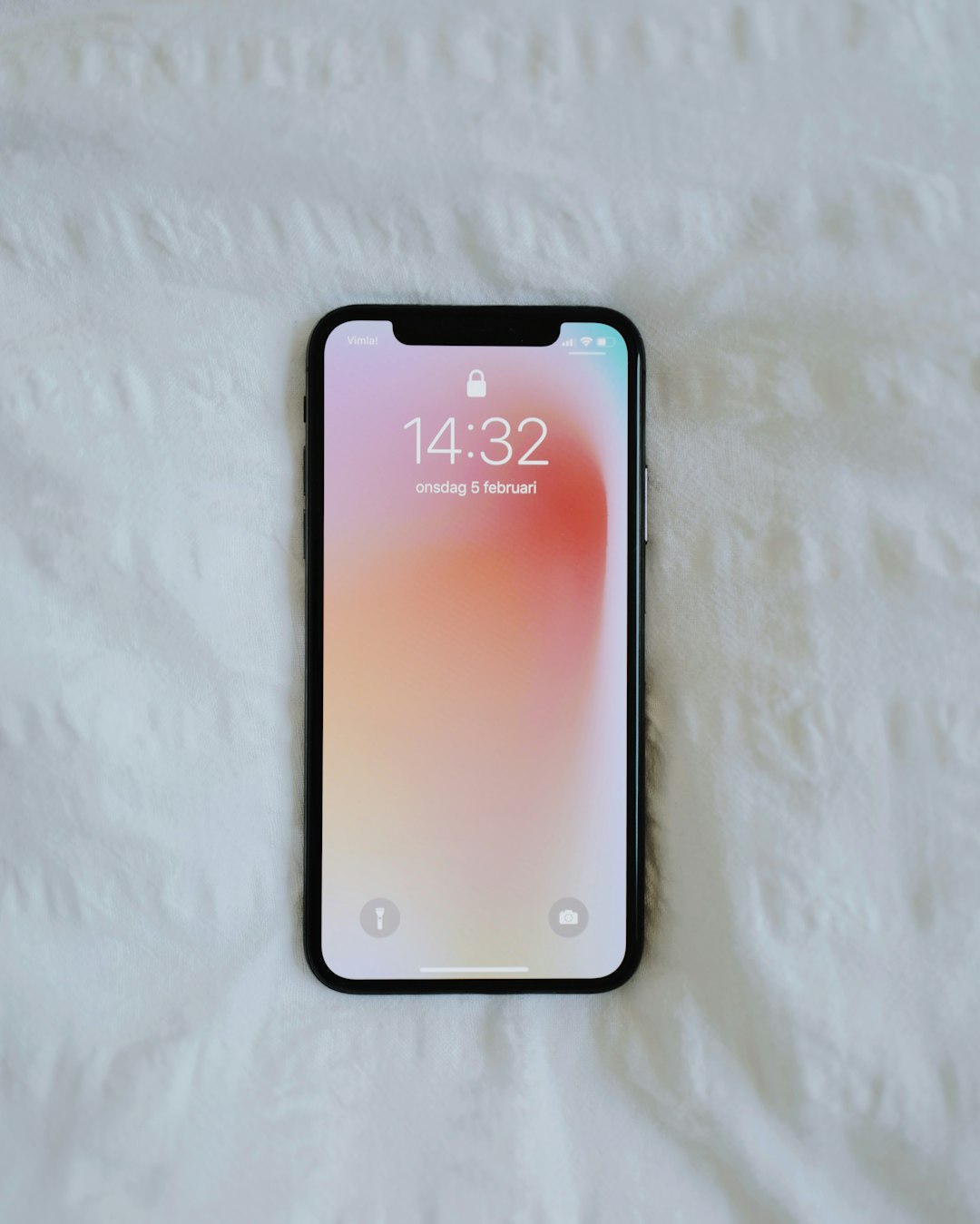
Alabama residents face a deluge of unwanted robocalls, prompting several defenses. The state's Telephone Consumer Protection Act (TCPA) restricts automated calls, especially for marketing. Registering on the National Do Not Call Registry reduces spam. Robocall blocking apps like Apple's Call Blockers and third-party tools offer advanced detection. Specialized robocall lawyers Alabama assist consumers navigating TCPA rights and suing violators, leveraging their expertise in this evolving legal landscape to reclaim control over communication channels.
In today’s digital age, Alabama residents face a growing nuisance from unwanted robocalls, posing significant challenges to privacy and peace of mind. These automated calls, often from telemarketers or scammers, have become an increasingly prevalent problem, leaving many feeling frustrated and vulnerable. While traditional blocking methods offer some relief, they are not foolproof. This comprehensive guide aims to empower Alabama residents by introducing effective robocall blocking apps designed specifically for their needs. By exploring these tools, individuals can reclaim control over their communication channels and protect themselves from malicious activities, with expert insights from robocall lawyers Alabama has trusted for years.
Understanding Robocalls and Alabama Law

Robocalls have become a ubiquitous yet unwanted aspect of daily life for many Alabama residents. These automated telephone calls, often used for telemarketing or political messaging, are protected under federal law but can be a nuisance when unsolicited. Understanding the nature of robocalls and the legal framework surrounding them is crucial for consumers looking to protect their privacy. In Alabama, the state’s consumer protection laws align with federal regulations, empowering residents to take measures against unwanted calls.
Alabama Law, specifically the Telephone Consumer Protection Act (TCPA), provides significant protections to citizens from excessive or unauthorized robocalls. The TCPA restricts the use of automated dialing systems and prerecorded messages without prior express consent from the caller. This law has been instrumental in reducing the volume of spam calls, but it’s important for residents to know their rights and how to exercise them. One practical step is to register on the National Do Not Call Registry, which, while not a foolproof method, can significantly reduce the number of marketing robocalls received.
Robocall lawyers in Alabama play a vital role in assisting consumers in navigating these legal protections. They offer expertise in interpreting the TCPA and helping clients understand their rights when dealing with unwanted calls. For instance, a resident might have unknowingly given implied consent through certain interactions, leading to a flood of robocalls. A legal professional can review these cases, provide guidance, and even take action against violators on behalf of clients. By staying informed about their rights and seeking counsel when needed, Alabama residents can effectively manage and minimize the impact of robocalls in their daily lives.
Exploring Robocall Blocking Apps for iPhone and Android

In today’s digital age, robocalls have become a persistent nuisance for many Alabama residents, with an estimated 40 billion unwanted calls made annually across the country. To combat this growing issue, consumers are increasingly turning to robocall blocking apps as a solution. Both iPhone and Android users now have access to a range of sophisticated applications designed to identify and block these intrusive calls. This guide explores the most effective app options available for Alabama residents looking to reclaim their peace of mind in an era overwhelmed by automated communications.
For iPhone users, Apple’s built-in Call Blockers feature offers a robust starting point. Leveraging machine learning algorithms, it can automatically detect and block spam calls with impressive accuracy. Furthermore, users can manually add specific numbers to their block list for added protection against known telemarketers or persistent callers. However, for more advanced features, third-party apps like TrueCall and Hiya stand out. These apps not only block robocalls but also provide detailed call information, allowing users to identify and report spam with the touch of a button. For instance, Hiya has amassed a global database of known spam numbers, leveraging community reporting to enhance its blocking capabilities.
Android users have an even wider array of options, thanks to the flexibility inherent in Google’s mobile platform. Apps like RoboKiller and Call Filter Pro not only block robocalls but also offer features such as call recording and advanced caller ID. RoboKiller, for instance, employs artificial intelligence to learn patterns from blocked calls, further refining its spam detection over time. Moreover, these apps often integrate seamlessly with existing security measures, providing a comprehensive defense against unwanted communications. In light of the pervasive nature of robocalls, Alabama residents can significantly enhance their privacy and security by leveraging these sophisticated blocking apps, aided by expert advice from robocall lawyers who stay at the forefront of this evolving legal landscape.
Legal Rights and Next Steps with Robocall Lawyers Alabama

In Alabama, as in many states, residents face a growing problem of unwanted robocalls. While some apps offer basic blocking capabilities, robust legal protections and expert guidance from robocall lawyers Alabama are crucial for dealing with this pervasive issue. The Telephone Consumer Protection Act (TCPA) grants Alabama residents significant rights against automated calls made without explicit consent. This includes the right to sue for damages when their privacy is invaded by nuisance calls.
Robocall lawyers Alabama specialize in navigating the complexities of TCPA regulations and have extensive experience representing clients affected by illegal robocalls. They can offer strategic advice on blocking methods, identify potential legal avenues, and represent individuals or businesses facing call-related litigation. For instance, a successful case might involve securing an injunction against a call center engaging in repetitive violative calls, or negotiating settlements for clients who have suffered financial harm due to deceptive robocall campaigns.
Next steps for Alabama residents plagued by robocalls include contacting a qualified robocall lawyer to assess their specific situation. These experts can provide tailored advice, from suggesting robust blocking apps compatible with individual phone systems to pursuing legal action against persistent call entities. By leveraging the TCPA and enlisting the help of robocall lawyers Alabama, residents can reclaim control over their communication channels and protect themselves from invasive marketing tactics.