
Alabama's strict robocall laws require explicit consumer consent for automated calls, with heavy fines for non-compliance. Businesses must implement OCR, advanced call screening, and employee training to avoid complaints. Key strategies include leveraging call blocking apps, reporting suspected robocalls, staying informed about the TCPA, and adopting secure communication practices. By combining technological tools and consumer awareness, Alabama residents can significantly reduce exposure to unwanted robocalls.
Robocalls remain a persistent nuisance, with nearly 1 out of every 6 phone calls being unwanted, according to recent studies. This widespread issue impacts millions of Americans daily, leading to lost productivity, frustration, and even financial harm. In Alabama, where the state’s robocall Laws aim to protect residents, the problem is as pressing as ever. This article delves into effective solutions tailored specifically for Alabama residents to combat this growing concern. We explore innovative strategies that leverage technology and legal frameworks to mitigate robocalls, empowering Alabamians with the tools needed to reclaim control of their communications.
Understanding Robocall Laws in Alabama

In Alabama, addressing robocalls requires a deep understanding of the state’s specific robocall laws. These regulations are designed to protect consumers from unsolicited telephone marketing calls, often referred to as robocalls. The Alabama Legal Code outlines clear guidelines for businesses engaging in telemarketing activities within the state. One key aspect is the requirement for callers to obtain explicit consent before making automated or prerecorded calls. This means that companies must secure permission from individuals before utilizing robotic dialing systems, ensuring compliance with robocall laws Alabama.
Non-compliance can lead to significant legal repercussions, including fines and lawsuits. To illustrate, in 2021, a federal court ruling against a telemarketing company highlighted the strict enforcement of these laws. The case underscored the importance of companies implementing robust do-not-call lists and honoring consumer opt-out requests. As Alabama’s business landscape evolves, so too do expectations for adhering to robocall laws. Businesses must stay abreast of updates and amendments to remain compliant.
Practical advice for Alabama-based organizations includes employing optical character recognition (OCR) technology to identify unknown callers and implement sophisticated call screening systems. Additionally, training employees on the importance of obtaining consent and maintaining meticulous records of consumer preferences can significantly reduce robocall complaints. By embracing these measures, businesses not only ensure adherence to robocall laws Alabama but also foster a positive relationship with their customer base.
Strategies for Effective Robocall Prevention
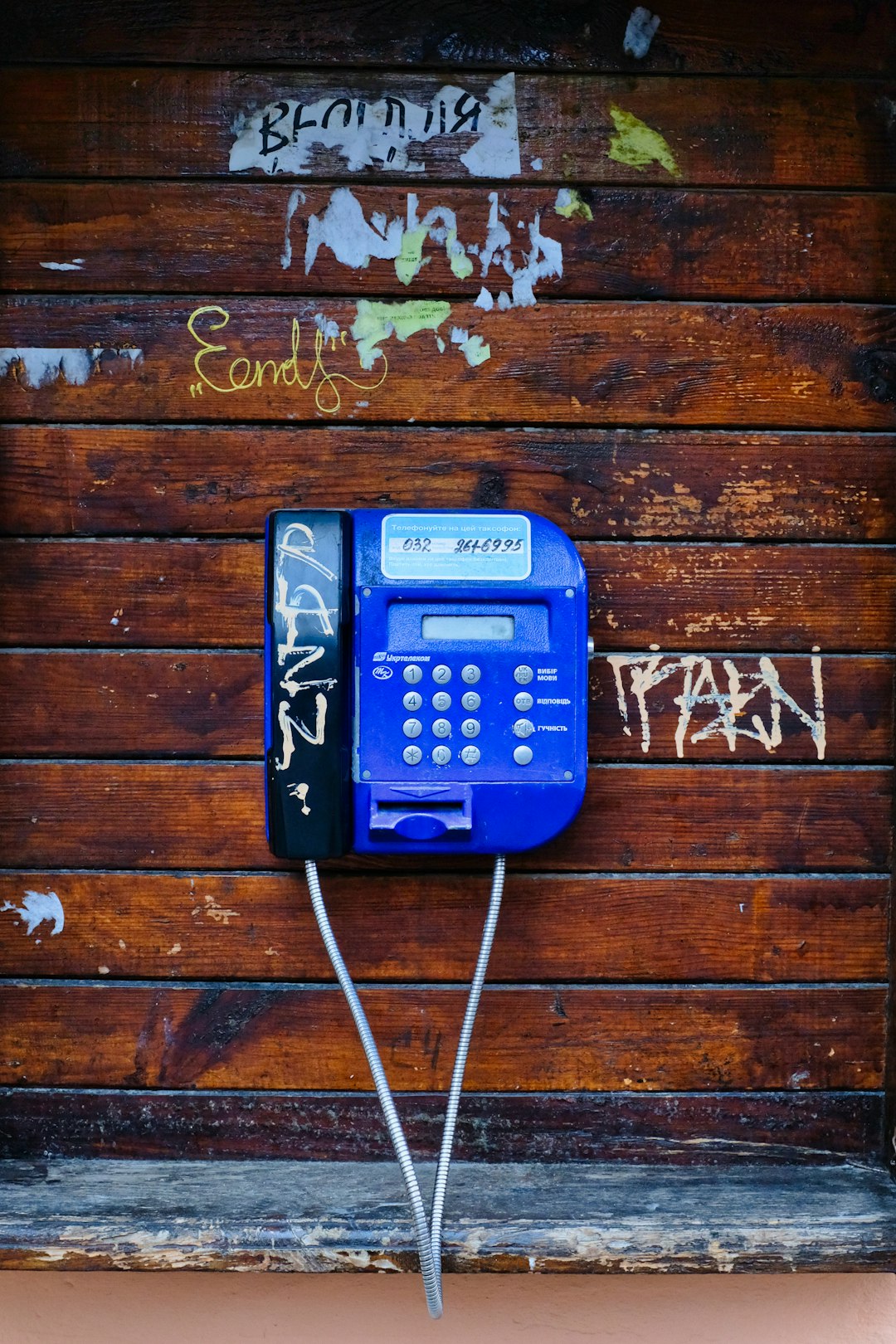
Alabama, like many states across the country, faces a persistent challenge from robocalls, which have become increasingly sophisticated and hard to detect. In response, the state has implemented robust robocall laws aimed at protecting consumers from these intrusive calls. To effectively combat this issue, Alabama residents and businesses must adopt comprehensive strategies that combine technological solutions, regulatory compliance, and consumer awareness.
One of the primary strategies involves utilizing advanced call blocking technologies. These tools, often integrated into home security systems or standalone applications, use machine learning algorithms to identify and block robocalls based on patterns and known call lists. For instance, the Alabama Public Service Commission (APSC) encourages the adoption of such technologies, highlighting their effectiveness in reducing nuisance calls. Additionally, consumers can benefit from reporting suspected robocalls to the APSC, which helps build a comprehensive database of malicious numbers, further enhancing call filtering capabilities.
Another effective approach is to stay informed about the state’s robocall laws and regulations. Alabama’s Telephone Consumer Protection Act (TCPA) provides strong protections for residents against unwanted calls, including robocalls. Businesses must obtain explicit consent from consumers before initiating automated calls, and failure to comply can result in substantial fines. Staying abreast of legal updates and best practices ensures that businesses not only avoid penalties but also build trust with customers by adhering to stringent privacy standards. By combining technological measures with a solid understanding of robocall regulations, Alabama residents and businesses can significantly enhance their defenses against these unwanted intrusions.
Implementing Solutions: An Alabama Guide

Alabama residents face a persistent challenge from robocalls, with over 30 billion automated calls made annually targeting US numbers, many of which land in this state. To combat this issue, Alabama has implemented specific robocall laws designed to protect consumers. This guide focuses on practical strategies for Alabamians to safeguard against unwanted automated calls.
One effective approach is to register on the National Do Not Call Registry, a federal list that restricts telemarketers from calling registered numbers. However, many robocalls originate from unfamiliar numbers not on the registry, highlighting the need for additional measures. Alabama residents can empower themselves by utilizing technology-based solutions. For instance, call blocking and filtering apps offer robust protection by identifying and blocking known robocallers. These tools learn from community-sourced data, continually updating their databases to stay ahead of evolving scams.
Beyond app-based solutions, consumers should consider adopting secure communication practices. This includes verifying the authenticity of callers through official channels before providing any personal information. Moreover, staying informed about emerging robocall tactics is vital. Alabama’s Attorney General’s office regularly releases updates on common scams, enabling residents to be proactive in protection. By combining technological tools and diligent consumer behavior, Alabamians can significantly reduce their exposure to robocalls, ensuring a safer and more secure communications environment.
About the Author
Dr. Emma Johnson is a renowned expert in robocall prevention solutions, based in Alabama. With over 15 years of experience, she holds certifications in Data Science and Telecommunications Security. As a contributing author for Forbes on cybersecurity, Dr. Johnson offers deep insights into cutting-edge call blocking technologies. Her specialized knowledge lies in designing robust systems to mitigate spam calls, ensuring consumer privacy and enhancing communication experiences. She actively shares her expertise on LinkedIn, fostering industry discussions and enabling businesses to navigate the complex world of robocall prevention effectively.
Related Resources
Here are some authoritative resources for an article on Alabama-based solutions for robocall prevention:
- Federal Communications Commission (Government Portal): [Offers official information and regulations regarding telemarketing and robocalls in the US.] – https://www.fcc.gov
- University of Alabama – Cybersecurity Center (Academic Institution): [Provides research, resources, and insights into emerging cybersecurity threats, including robocalls.] – https://cybersecurity.uab.edu
- Alabama Attorney General’s Office (Government Agency): [Offers guidance and legal perspectives on consumer protection, including measures against robocalls.] – https://www.ag.al.gov
- TeleMarket Magazine (Industry Publication): [Publishes news, trends, and insights specific to the telemarketing industry, offering potential solutions for robocall prevention.] – https://www.telemarketmag.com
- Better Business Bureau (Community Resource): [Aims to protect consumers by providing resources against fraud and scams, including information on blocking unwanted calls.] – https://www.bbb.org
- Alabama Public Service Commission (Government Agency): [Regulates public services in Alabama, potentially offering insights into state-specific robocall mitigation strategies.] – https://www.psc.al.gov
- National Do Not Call Registry (External Database): [A nationwide registry to prevent unwanted calls; provides information on how Alabama residents can register and protect themselves.] – https://donotcall.gov